
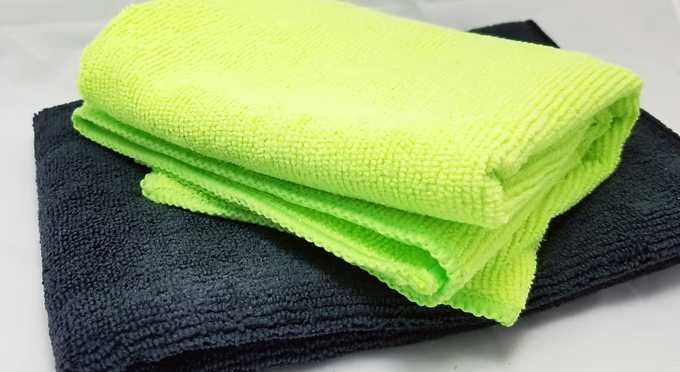
Do you worry about disinfecting when cleaning your home? Many people will clean their home first, and then reach for a disinfectant to remove all the germs and bacteria. That is one round of cleaning to remove most of the debris, and then another round to kill the germs. We all want to do the best job possible, and keep our homes clean and sanitary, but few of us have the extra time it takes to go over everything twice. That’s why microfiber is so great. You can clean and disinfect your home in one simple step.
What is a Disinfectant?
Disinfection is defined as the destruction of pathogenic and other kinds of microorganisms by physical or chemical means. Disinfectants are chemical substances used to destroy viruses and microbes (germs), such as bacteria and fungi. Disinfectants are commonly used in homes, healthcare settings, food preparation areas, and various industries to reduce the risk of infection or the spread of diseases.
Disinfectants work by disrupting the structure and function of microorganisms, rendering them inactive or killing them. They are different from cleaning agents, which primarily remove dirt and debris from surfaces. While cleaning removes visible soil, disinfection focuses on destroying or inactivating potentially harmful microorganisms that can’t be seen with the naked eye.
Common types of disinfectants include bleach, isopropyl alcohol, hydrogen peroxide, quaternary ammonium compounds, and various commercial disinfectant products. The choice of disinfectant depends on the specific microorganisms you want to target and the surfaces or objects to be treated. It’s important to use disinfectants according to the manufacturer’s instructions, including recommended contact time and proper dilution, to ensure their effectiveness.
All disinfectants are also, by their very nature, toxic to humans or animals. They should be treated with appropriate care and should never be mixed with other cleaning products as chemical reactions may occur. Most disinfectants come with safety instructions printed on the packaging, which means they are potentially harmful to you or other family members that come in contact with it. Most modern household disinfectants contain some sort of chemical toxins that are harmful. In many cases these toxic ingredients can be more harmful than the germs you are trying to remove.
Why Should You Disinfect Anyway?
There is a real purpose to using disinfectants in your home. You do it because you want to kill all of the germs and bacteria leftover after cleaning so that they don’t harm you, or anyone else in your home. Disinfecting your home is important for several reasons:
- Health and Safety: Disinfecting surfaces, especially high-touch areas like doorknobs, light switches, and countertops, helps reduce the risk of infections and illnesses. Harmful microorganisms, including bacteria and viruses, can linger on surfaces, and disinfecting is an effective way to kill or inactivate them.
- Preventing Disease Spread: Regular disinfection can help break the chain of infection and prevent the spread of illnesses within your household. This is particularly important in shared living spaces where family members or roommates can easily transmit germs to each other.
- Protection Against Allergens: Disinfection can help control allergens like mold and dust mites. These allergens can exacerbate allergies and respiratory conditions, so keeping them in check is essential for a healthy home environment.
- Reducing Cross-Contamination: Disinfecting is especially important in kitchens and bathrooms, where harmful bacteria can be present. Proper disinfection helps prevent cross-contamination from surfaces to food, personal items, and hands.
- Enhancing Hygiene: Maintaining a clean and disinfected home contributes to overall hygiene and cleanliness. It ensures that your living spaces are not only visually clean but also free of hidden pathogens.
- Protection in Times of Illness: During outbreaks of contagious diseases or when someone in the household is sick, disinfection becomes critical. It can help contain the spread of the illness and protect other household members.
- Peace of Mind: Disinfecting your home provides peace of mind, knowing that your living space is as safe and hygienic as possible. This is particularly important for families with young children, the elderly, or individuals with weakened immune systems.
- Preventing Odors: Disinfection can help eliminate odors caused by bacterial growth, which is common in damp or humid areas like bathrooms and basements.
Overall, disinfecting your home should be part of a regular cleaning routine to create a safe and healthy environment for you and your family. It complements cleaning, which removes visible dirt and debris, by targeting invisible pathogens that can cause illnesses and infections.
How Does Microfiber Disinfect?
Pretty much all disinfectants are the chemical variety and do not physically remove the contaminants, but rather kill them. Microfiber works in a more physical way. The unique fibers trap and hold in 98%-99% of all dirt, dust, bacteria and germs. This means that you are able to clean and disinfect at the same time. You may not be killing the germs, but you are removing them from the surface you are cleaning.
Once removed, you simply wash the germs down the drain and you’re left with a clean, residue-free and germ-free surface. It’s hard to believe that a cloth can be so effective because we are all so used to the “chemical burn” method of handling germs, but whether dead or removed, the bacteria and germs can not cause you harm either way.
How To Disinfect Surfaces With Microfiber Alone
Keep in mind you will only be removing 98-99% of the germs on the surface with a cleaning cloth alone. This is good enough for most people, but if you do need to get that last one percent, continue below to read about a hybrid method of disinfecting, and other traditional products and techniques. If you just want to quickly clean and eliminate most of the germs, viruses and bacteria on the surface at the same time, then a high quality microfiber cloth is the perfect choice. A simple wiping action is all that’s required, but follow the instructions below to ensure you get the best results possible when disinfecting your home with microfiber.
- To prepare for cleaning, make sure you have a high quality cloth that is clean and ready to go. Low quality cloths will not actually remove all of the germs, so make sure you have a good tool before you begin.
- In most cases you will want to use the cloth damp, but for surfaces that are affected by moisture, you can use it dry with a slightly lower level of effectiveness.
- When getting the cloth wet, use regular tap water from the faucet. Warm water is best, and you should wring the cloth until it is no longer dripping.
- To clean and disinfect in one step, simply wipe surfaces with the cloth. Use one continuous direction, and wipe from one side to the next.
- The advanced material will clean the surface, lift up dirt, and collect all germs and bacteria at the same time.
- To ensure a thorough job, make sure to rinse as needed to release dirt and germs. You don’t want to spread anything around.
- Continue wiping as needed to finish the job. Once the surface looks clean, you know that you have also lifted up and eliminated 99% of all germs as well.
Traditional disinfectants leave behind the dead germs and bacteria. They also leave behind sticky residues, and the newly created sticky surface just collects dirt and germs faster. Before you know it, the germs are back and you have to clean again. Microfiber uses no chemicals, so there is no residue. All you are left with is an incredibly clean, streak-free surface.
Get The Last 1% – Use A Hybrid Method
Microfiber cloths are excellent at removing dirt, dust, and grime from various surfaces in your home. They can also help reduce the presence of bacteria and germs. However, they may not disinfect surfaces as well as you want. Lower quality cloths should always be used with a two-step process, but a high quality cloth can eliminate 99% of bacteria and viruses with just one step. If you don’t have a good cloth, or if you really want to get that last 1%, then a hybrid method will be best, and you’ll still save time thanks to the microfiber material.
To ensure that no germ is left behind, and to make sure you kill or collect 100% of the bacteria and viruses on the surfaces in your home, you should follow a two-step process:
- Clean: Use a microfiber cloth to clean the surface. Microfiber is great at trapping and removing particles, including some bacteria and germs, which helps prepare the surface for disinfection.
- Disinfect: After cleaning, you should apply a disinfectant solution to kill the remaining bacteria and germs. You can use commercial disinfectants or make your own by mixing water with a disinfecting agent like isopropyl alcohol or hydrogen peroxide.
Remember to follow the instructions on the disinfectant product you’re using, including contact time (the time the surface should remain wet with the disinfectant) and whether it should be rinsed afterward.
Microfiber cloths play a vital role in this process because they physically remove debris and contaminants from surfaces, making the disinfection step more effective. Microfiber cloths are also reusable and can be washed and used again, making them a sustainable and eco-friendly choice for cleaning and disinfecting your home. When compared to a regular cotton rag, or a paper towel, they will also do a much better job, in way less time.
In summary, while microfiber cloths help clean and prepare surfaces by removing dirt and most of the germs, they should be combined with a disinfection step using an appropriate disinfectant to ensure a thorough job if you’re trying to kill 100% of the harmful microorganisms. If you’re good with a 98-99% kill rate, then a cloth alone, and a one-step process will do just fine.
Other Ways To Disinfect Surfaces In Your Home
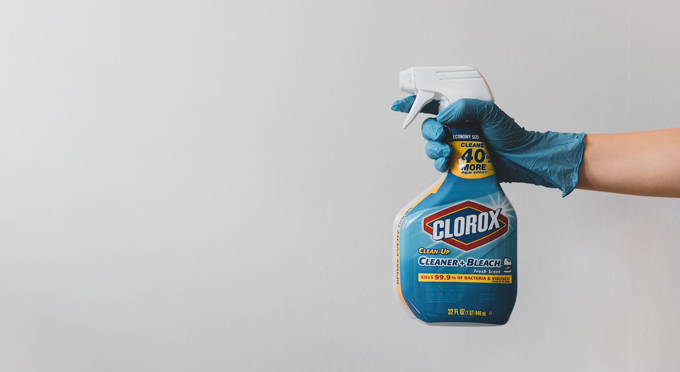
A high quality microfiber cloth offers a quick and effective way to eliminate germs and bacteria on a wide range of surfaces, but it’s not the only way. Whether you are cleaning a surface that a cloth won’t work on, or if you want to try a more traditional option, you may need to go with a disinfectant other than microfiber. The best disinfectant for the job depends on your specific needs and preferences. There are other effective disinfectants available, both commercial and DIY. Here are some common options:
Isopropyl Alcohol
Isopropyl alcohol with at least 70% alcohol content is an effective disinfectant. It can be used to disinfect surfaces like countertops, doorknobs, and electronics. It’s readily available and affordable.
Hydrogen Peroxide
Hydrogen peroxide is a versatile disinfectant. It can be used to disinfect surfaces and is also safe for use on fabrics. Use a 3% solution and apply it directly to surfaces or use it as a spray.
Bleach
Household bleach can be diluted with water and used as a disinfectant. It’s effective against a wide range of germs and viruses. Follow proper dilution instructions and ensure good ventilation when using bleach.
EPA-Registered Disinfectants
Many commercial disinfectants are EPA-registered and explicitly designed to kill a variety of pathogens, including viruses. These are often available in spray or wipe form. Be sure to follow the manufacturer’s instructions.
Vinegar
While not as powerful as some other disinfectants, vinegar is effective against some bacteria and germs. It’s a natural and eco-friendly option.
Commercial Disinfectant Wipes
These are convenient for quick and easy disinfection of commonly touched surfaces. Look for products that explicitly mention their effectiveness against viruses and bacteria.
Essential Oils
Certain essential oils like tea tree oil have natural antibacterial properties. You can create a DIY disinfectant spray by mixing a few drops of essential oil with water.
Things To Consider
When selecting a disinfectant, consider the following:
- Effectiveness: Ensure that the disinfectant is effective against the specific pathogens you want to target, especially if you’re concerned about viruses like the flu or COVID-19.
- Safety: Follow the safety guidelines and proper dilution instructions to avoid health risks or damage to surfaces.
- Surface Compatibility: Some disinfectants may damage certain surfaces, so check if it’s safe for use on the materials in your home.
- Ventilation: Maintain good ventilation when using disinfectants to prevent inhalation of fumes.
- Storage: Store disinfectants out of reach of children and pets, following the manufacturer’s recommendations.
- Eco-Friendly Options: If you prefer eco-friendly options, consider using vinegar or other natural products with disinfecting properties.
Ultimately, the best disinfectant for your home is one that meets your needs, is effective against the germs you want to target, and aligns with your safety and environmental preferences.
Although microfiber is not technically a disinfectant, it is effective in removing germs and bacteria from your home. All you need is water to clean and disinfect with microfiber. No chemical solutions are necessary. It is the unique weave of the fabric that makes this cloth so effective for cleaning and disinfecting. Thousands of tiny loops and hooks scrape and scrub, then hold in dirt, dust and bacteria. You may not be killing the germs by chemical warfare, but they will be removed, so you won’t be harmed by them. You also won’t be using chemicals, so there are no fumes to breathe or risk to your skin. Stop cleaning and disinfecting in two steps and start cleaning smarter and easier with microfiber. Clean and disinfect at the same time.

 Submit A Tip
 Ask A Question

 Ordering Info
 Customer Service
 Follow Us
 Search For Stuff
 Find Us
 Call Us
 Pay Us

1 Comments so far.
Use the form below to add your own thoughts or questions. Scroll down to read what other people had to say.